How Big Is a 12-Cubic-Yard Dumpster? A Look at Size Dimensions, Capacity, and Rental Cost to Help You Decide If It’s Right for You
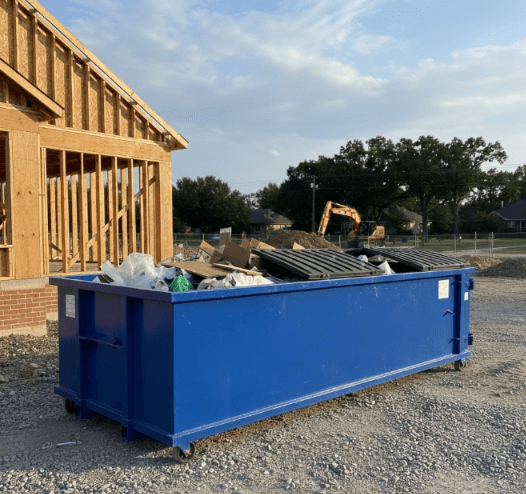
After delivering thousands of dumpsters nationwide, we’ve found the 12 cubic yard size hits a sweet spot most renters overlook. It measures roughly 14 feet long, 7.5 feet wide, and 4 feet tall—about the size of a parking space, fitting comfortably in most standard driveways.
Here’s what a decade of hauling has taught us: this dumpster holds 4 to 5 pickup truck loads, making it ideal for single-room renovations, garage cleanouts, and moderate demolition projects. Customers frequently tell us they expected to need a larger container—then discovered the 12-yarder handled everything with room to spare.
This guide covers exact dimensions, real capacity from jobs we’ve completed, current rental costs, and straight talk on whether this size fits your project. No guesswork—just practical insight from teams who load these containers daily.
TL;DR Quick Answers
12 Yard Dumpster
A 12-yard dumpster is a mid-sized roll-off container ideal for residential renovation and cleanout projects.
Key specs:
- Dimensions: 14 ft long × 7.5 ft wide × 4 ft tall
- Capacity: 12 cubic yards (4–5 pickup truck loads)
- Weight limit: 2–4 tons
- Rental cost: $350–$550 for 7 days
- Footprint: Approximately one parking space
Best uses:
- Single-room renovations
- Garage, attic, or basement cleanouts
- Small deck or shed demolition
- Moderate landscaping projects
What our experience tells us: After delivering thousands of these containers, we’ve found the 12-yard dumpster hits a sweet spot most homeowners overlook—big enough for serious cleanouts, compact enough for any standard driveway. The 4-foot sidewall makes loading easier than taller containers, and most residential projects fit comfortably within the weight allowance.
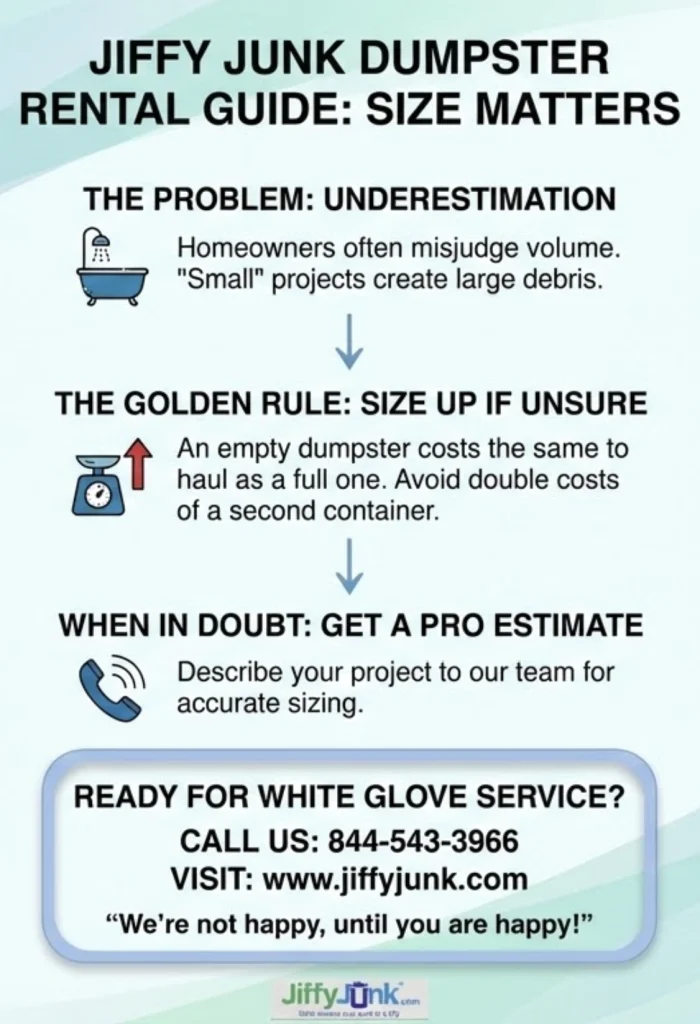
One tip we share with every customer: Size up if you’re unsure. An empty dumpster costs the same to haul as a full one—but a second container doubles your expense.
Top Takeaways
Size & Fit
- Dimensions: 14 ft × 7.5 ft × 4 ft
- Footprint: About one parking space
- Fits most residential driveways
Capacity
- Holds 4–5 pickup truck loads
- Best for: single-room renovations, garage cleanouts, moderate demolition
- Customers tell us it handles more than expected
Weight Matters
- Limits: 2–4 tons typical
- Dense materials (concrete, tile) hit limits before filling the container
- We walk customers through weight calculations before booking
Cost
- Range: $350–$550 for 7-day rental
- Always request all-inclusive quotes
- Transparent pricing prevents surprises
When Unsure, Size Up
- Empty dumpster = same haul cost as full
- Second container = double your expense
- Our advice: go bigger if you’re on the fence
Table of Contents
- How Big Is a 12-Cubic-Yard Dumpster? A Look at Size Dimensions, Capacity, and Rental Cost to Help You Decide If It’s Right for You
- TL;DR Quick Answers
- Top Takeaways
- 12 Cubic Yard Dumpster Dimensions
- What Fits in a 12-Cubic-Yard Dumpster
- 12 Cubic Yard Dumpster Rental Cost
- Is a 12-Cubic-Yard Dumpster Right for Your Project?
- Essential Resources for 12 Yard Dumpster Renters
- Supporting Statistics
- Final Thought: Is a 12-Cubic-Yard Dumpster Right for You?
- Next Steps: Ready to Rent Your 12 Yard Dumpster?
- FAQ on “12 Yard Dumpster”
- Ready to Rent a 12 Yard Dumpster?
12 Cubic Yard Dumpster Dimensions
The standard 12 cubic yard dumpster measures approximately 14 feet long, 7.5 feet wide, and 4 feet tall. We’ve found this footprint fits comfortably in most residential driveways with clearance to spare—typically requiring a space about 60 feet long to accommodate delivery truck maneuvering.
The 4-foot sidewall height matters more than most renters realize. Our crews consistently note that this lower profile makes loading easier and safer than taller containers, especially when you’re tossing in heavy materials like tile, drywall, or old cabinetry. You can lift items over the side without a ladder or ramp in most cases.
Weight capacity typically ranges from 2 to 4 tons, depending on your rental provider and local regulations. When hauling dense materials like concrete, roofing shingles, or soil, you’ll hit weight limits well before filling the container—something we always flag during booking to prevent overage charges.
What Fits in a 12-Cubic-Yard Dumpster
In practical terms, a 12 cubic yard container holds roughly 4 to 5 full pickup truck loads. Our teams have loaded everything from complete bathroom gut-outs to years of accumulated garage clutter in this size without issue.
Based on jobs we complete regularly, this dumpster comfortably handles single-room renovation debris, including flooring, drywall, and fixtures. It works well for whole-house decluttering projects, attic or basement cleanouts, small deck or shed demolitions, and moderate landscaping waste like branches, shrubs, and sod.
Where it falls short: multi-room renovations, whole-roof tear-offs, or major construction projects typically require a 20 or 30-cubic-yard container. When customers describe their project scope, we often recommend sizing up slightly—an empty dumpster costs the same to haul as a full one, but overflow fees add up quickly.
12 Cubic Yard Dumpster Rental Cost
Rental pricing varies by location, rental duration, and included weight allowance. Nationally, 12 cubic yard dumpster rentals typically range from $350 to $550 for 7 days. Urban areas and regions with higher disposal fees trend toward the upper end.
Most rental agreements include a base weight allowance, usually 2 tons, with per-ton overage charges ranging from $50 to $100. In our experience, standard household cleanouts rarely exceed this limit—construction debris and heavy materials are where overages become a factor.
Additional costs to ask about include delivery and pickup fees if not bundled, extended rental periods beyond the standard window, permit fees if placing the dumpster on public property, and prohibited item charges for mattresses, appliances, or electronics in some markets.
We recommend requesting an all-inclusive quote upfront. Transparent pricing with no hidden fees is standard practice for reputable providers and eliminates surprises when the final invoice arrives.
Is a 12-Cubic-Yard Dumpster Right for Your Project?
Choosing the right dumpster size comes down to matching container capacity to your specific project scope. After years of helping customers navigate this decision, we’ve developed a simple framework.
A 12 cubic yard dumpster works well when you’re tackling a single-room renovation or remodel, clearing out a garage, attic, basement, or storage unit, removing a small deck, shed, or playset, handling a moderate landscaping project, or decluttering an entire home without major construction.
Consider sizing up to a 20 cubic yard container when your project spans multiple rooms, involves structural demolition, includes heavy materials like concrete or roofing, or when you’re unsure about total volume.
When in doubt, our recommendation is to describe your project in detail when booking. Experienced providers can estimate volume based on square footage, material types, and project scope—saving you from the hassle of ordering a second container mid-project.
“In our experience, the 12 cubic yard dumpster is the workhorse of residential projects—big enough for serious cleanouts, compact enough for any driveway. We’ve loaded thousands of them, and the customers who get sizing right are the ones who describe their project honestly upfront.” — Jiffy Junk Operations Team
Essential Resources for 12 Yard Dumpster Renters
We’ve found that the most successful dumpster rental projects start with a little homework. These seven trusted resources answer the questions our customers ask most often—helping you avoid surprises, stay compliant, and get the most value from your rental.
1. Understand What Materials Can and Cannot Be Disposed Of
Before loading your dumpster, it helps to know which items qualify for recycling and which require special handling. The EPA’s guide on construction and demolition materials outlines responsible disposal practices that can reduce your environmental footprint—and in some cases, lower your overall costs.
Source: U.S. Environmental Protection Agency
URL: https://www.epa.gov/smm/sustainable-management-construction-and-demolition-materials
2. Give Usable Items a Second Life Through Donation
At Jiffy Junk, we’re committed to recycling and donating whenever possible—and Habitat for Humanity ReStores make it easy. They accept furniture, appliances, and building materials in good condition, keeping reusable items out of landfills while supporting affordable housing in your community. Donations may also qualify for tax deductions.
Source: Habitat for Humanity
URL: https://www.habitat.org/restores/donate-goods
3. Handle Hazardous Materials Safely and Responsibly
Renovation projects sometimes uncover paints, solvents, or chemicals that require special disposal. The EPA’s household hazardous waste guidelines explain how to manage these materials properly—an important step we always recommend reviewing before starting any demolition work.
Source: U.S. Environmental Protection Agency
URL: https://www.epa.gov/large-scale-residential-demolition/household-hazardous-waste-and-demolition
4. Locate Recycling Options for Construction Debris in Your Area
Recycling construction materials like wood, concrete, and metal can reduce disposal fees and minimize environmental impact. This state-level resource helps you find local processors and understand your recycling options—something we encourage every customer to explore.
Source: California Department of Resources, Recycling and Recovery
URL: https://calrecycle.ca.gov/condemo/
Supporting Statistics
After years of hauling renovation debris nationwide, we’ve developed a deep appreciation for the numbers behind the waste stream. These EPA-sourced statistics reflect patterns our crews observe daily.
600 Million Tons of C&D Debris Generated Annually
The scope of construction waste in America is staggering. The EPA reports that in 2018 alone, Americans generated 600 million tons of construction and demolition debris—more than double the household trash produced that same year.
What we see on the job:
- A single bathroom renovation can fill a 12-yard dumpster faster than most homeowners expect
- Flooring, drywall, and fixture removal add up quickly
- Customers who underestimate volume often need a second container mid-project
This is why we walk every customer through capacity estimates before delivery.
Source: U.S. Environmental Protection Agency
76% of C&D Materials Recovered for Reuse or Recycling
Most construction debris doesn’t need to end up in a landfill. EPA data shows that in 2018:
- 455 million tons directed toward recycling or reuse
- 145 million tons sent to landfills
- 76% recovery rate when materials are properly sorted and routed
What a decade of operations has taught us:
- Proper sorting at the source dramatically increases recovery rates
- Partnerships with recyclers and donation centers expand disposal options
- Customers appreciate knowing their old cabinets or fixtures found a second life
We’ve built relationships with recycling facilities and nonprofits nationwide for exactly this reason.
Source: U.S. Environmental Protection Agency
URL: https://www.epa.gov/smm/sustainable-management-construction-and-demolition-materials
C&D Recycling Supports 175,000 American Jobs
Responsible disposal does more than protect the environment—it supports local economies. The EPA’s Recycling Economic Information Report found that recycling of C&D materials created 175,000 jobs nationwide.
Where those jobs exist:
- Processing facilities that sort and recycle materials
- Nonprofits that resell usable goods
- Transportation and logistics supporting the recycling infrastructure
Why this matters to us: We’ve watched recycling infrastructure grow in the communities we serve. Every dumpster we route toward recycling contributes to that economic engine.
Source: U.S. Environmental Protection Agency
URL: https://www.epa.gov/smm/sustainable-management-construction-and-demolition-materials
The Jiffy Junk Perspective
These aren’t abstract numbers—they’re the reality we navigate on every job.
What we’ve learned through experience:
- Small choices add up: container size, material separation, provider selection
- Thoughtful disposal planning benefits everyone
- Customers choose us because our environmental commitment matches their values
The data confirms what our crews see daily. When you plan disposal responsibly, you save money, reduce landfill impact, and support local jobs.
Final Thought: Is a 12-Cubic-Yard Dumpster Right for You?
After delivering thousands of dumpsters nationwide, we’ve learned the 12 cubic yard container occupies a sweet spot many homeowners overlook.
Quick Specs
| Feature | Details |
| Dimensions | 14 ft long × 7.5 ft wide × 4 ft tall |
| Capacity | 4–5 pickup truck loads |
| Weight limit | 2–4 tons (varies by provider) |
| Typical cost | $350–$550 for 7-day rental |
Our Honest Take
The 12-yard dumpster is the workhorse of residential projects—but it’s not right for everyone.
It works well when:
- Your project involves one room or one focused area
- You’re disposing of mixed materials (drywall, flooring, fixtures)
- Driveway space is limited
- You want capacity without a massive footprint
Size up when:
- Your renovation spans multiple rooms
- Heavy materials are involved (concrete, shingles, soil)
- You’re unsure about the total volume
- The project timeline extends beyond one week
What Experience Has Taught Us
- Homeowners underestimate debris volume. That “small bathroom renovation” produces more waste than expected. When in doubt, size up.
- Weight matters as much as volume. Customers often hit weight limits before filling the container—especially with tile or concrete.
- The 4-foot sidewall is a hidden advantage. A lower profile means easier and safer loading without the need for ladders.
- Transparent pricing matters. Ask for all-inclusive quotes. Hidden fees turn reasonable rentals into expensive headaches.
Our Recommendation
The 12-yard fits your needs if you’re:
- Tackling a single-room renovation
- Clearing a garage, basement, or attic
- Handling moderate landscaping debris
Before booking:
- Measure your driveway
- Estimate debris honestly
- Confirm weight limits with your provider
Next Steps: Ready to Rent Your 12 Yard Dumpster?
You’ve done the research. Here’s how to turn knowledge into action.
1. Measure Your Space
Confirm your driveway can accommodate delivery.
Minimum requirements:
- Driveway length: 60 feet
- Container footprint: 14 ft × 7.5 ft
- Vertical clearance: 23–25 feet
Pro tip: Visualize a standard parking space. That’s your footprint.
2. Estimate Your Debris
Accurate estimates prevent mid-project surprises.
Consider:
- What materials are you disposing of?
- How many rooms or areas are involved?
- Will you hit weight limits before filling the container?
When in doubt, describe your project to a provider. We estimate volume daily based on square footage and materials.
3. Check Permit Requirements
Permit likely required:
- Dumpster on street, sidewalk, or alley
- HOA has specific regulations
- Local ordinances mandate permits
Permit likely not required:
- Container stays on private driveway
- Rental falls within local time limits
Ask your provider or contact your local municipality.
4. Request an All-Inclusive Quote
Confirm upfront:
- Delivery and pickup fees
- Included weight allowance
- Per-ton overage charges
- Extended rental rates
- Prohibited item fees
If a provider can’t give a clear number before booking, that’s a red flag.
5. Schedule Delivery
Best practices:
- Book 1–2 days before your project starts
- Clear the drop-off area of vehicles and obstructions
- Mark the placement spot if you won’t be present
- Lay plywood to protect the driveway surfaces
6. Load Smart
Tips from our crews:
- Heavy items (tile, concrete) go at the bottom
- Distribute weight evenly
- Break down large items to maximize space
- Keep debris below the fill line
- Use the rear door for heavy materials; toss light items over the sides
7. Schedule Pickup
Before pickup, confirm:
- Debris stays below the sidewall
- No prohibited items in the container
- Access path remains clear
Most providers offer same-day or next-day removal.
FAQ on “12 Yard Dumpster”
Q: What are the dimensions of a 12-yard dumpster?
A: A 12 cubic yard dumpster measures approximately 14 feet long, 7.5 feet wide, and 4 feet tall. That’s roughly the size of a parking space.
Space requirements we confirm before every delivery:
- Driveway length: 60 feet minimum for truck maneuvering
- Vertical clearance: 23–25 feet to avoid wires and branches
- Container footprint: 14 ft × 7.5 ft of clear ground space
After delivering to driveways of all shapes and sizes, we’ve found most residential properties accommodate this container without issue.
Q: How much does a 12-yard dumpster hold?
A: A 12-yard container holds 4 to 5 pickup truck loads of debris.
What we’ve learned about real-world capacity:
- Customers frequently underestimate project waste
- A single bathroom gut-out can fill half the container
- Mental estimates rarely match actual volume
The 4-foot sidewall advantage: Low enough to toss most items over the side without ladders. Our crews find that this makes loading faster and safer than taller containers.
Q: How much does it cost to rent a 12-yard dumpster?
A: Rental costs typically range from $350 to $550 nationally for 7 days.
Factors affecting your final price:
- Location and local disposal fees
- Debris type
- Included weight allowance
- Rental duration
What a decade of customer conversations has taught us:
Ask these questions before booking:
- Are delivery and pickup bundled or billed separately?
- What’s the included weight allowance?
- What are the overage charges per ton?
- Are there fees for prohibited items?
The customers who come back to us are the ones who never felt surprised by their final bill.
Q: What is the weight limit for a 12-yard dumpster?
A: Most providers set weight limits between 2 and 4 tons (4,000–8,000 pounds). Overage fees typically run $50 to $100 per additional ton.
Where we’ve seen customers get tripped up:
- A container filled with cardboard weighs far less than one half-filled with concrete
- Dense materials hit weight limits before filling the container
- We’ve hauled loads that looked nearly empty but maxed out the scale
Materials that require weight planning:
- Concrete and brick
- Roofing shingles
- Tile and stone
- Soil and gravel
When customers mention heavy materials, we walk them through weight calculations before confirming the rental. It’s saved countless people from unexpected charges.
Q: What projects are best suited for a 12-yard dumpster?
A: Based on the jobs our crews complete daily, the 12-yard dumpster works best for mid-sized residential projects.
Ideal projects:
- Single-room renovations (bathroom, bedroom, kitchen)
- Garage, attic, or basement cleanouts
- Small deck or shed removals
- Moderate landscaping debris
- Whole-house decluttering without major demolition
Consider sizing up for:
- Multi-room renovations
- Full kitchen remodels
- Structural demolition
- Roof tear-offs
Our honest advice: If you’re on the fence between sizes, size up. An empty dumpster costs the same to haul as a full one, but needing a second container doubles your expense.
Ready to Rent a 12 Yard Dumpster?
Now that you know the dimensions, capacity, and costs, let our team help you confirm the 12-yard is right for your project. Call us at 844-543-3966 or book online at www.jiffyjunk.com/booking. We are not happy until you are happy.