How Big Is a 2-Cubic-Yard Dumpster? A Look at Size Dimensions, Capacity, and Rental Cost to Help You Decide If It’s Right for You
A 2 cubic yard dumpster measures roughly 3 feet tall, 6 feet long, and 3 feet wide—about the footprint of a large refrigerator on its side. It holds 400–500 pounds, which customers tell us handles about two pickup truck loads of material.
We’ve placed thousands of these compact containers, and here’s what we’ve learned: they’re the workhorse for businesses generating steady, moderate waste—restaurants, retail shops, small offices, and apartment complexes. Homeowners tackling single-room cleanouts or garage tidying projects find them just right without paying for unused capacity.
In our experience, the most common mistake isn’t choosing too small—it’s renting too large and watching money sit empty in the driveway. This guide shares what we’ve seen work (and what hasn’t) so you can match your project to the right size the first time.
TL;DR Quick Answers
2 Yard Dumpster
A 2-yard dumpster is a compact commercial waste container measuring 3 feet tall × 6 feet long × 3 feet wide.
Key specs:
- Capacity: 2 cubic yards (400–500 pounds)
- Holds: 12–14 trash bags or 2 pickup truck beds
- Footprint: ~18 square feet
Best for:
- Small restaurants, retail shops, and offices with fewer than 15 employees
- Single-room cleanouts, small garage projects
- Tight spaces where larger containers won’t fit
Typical cost: $75–$200, depending on service type and frequency
From our experience: This is the workhorse for businesses with steady, moderate waste. Most customers tell us it handles their needs without paying for unused capacity. If you’re unsure, track your waste for one week before committing—right-sizing saves money every time.
Top Takeaways
1. Know the Dimensions
- Size: 3 feet tall × 6 feet long × 3 feet wide
- Footprint: Approximately 18 square feet
- Capacity: 400–500 pounds (12–14 trash bags or 2 pickup truck beds)
- Best feature: Fits tight spaces like alleyways and narrow driveways
2. Match the Container to the Job
Ideal for:
- Small restaurants, retail shops, and offices with 5–15 employees
- Single-room cleanouts and garage decluttering
- Steady, moderate commercial waste output
Size up if:
- Multi-room renovations or estate cleanouts
- Heavy materials like concrete, tile, or appliances
We’ve placed thousands of these containers. This size works beautifully—when it fits the job.
3. Material Density Matters More Than Volume
- Lightweight items (cardboard, packaging) → fill space before hitting weight limit
- Heavy items (tile, soil, fixtures) → hit 400 pounds with container half empty
Our advice: Know what you’re disposing of, not just how much.
4. Right-Sizing Saves Money
The most common mistake we see: renting too large and paying for unused capacity.
Before committing:
- Track your waste for one week
- Match the container to the actual output
- Avoid paying to haul air
A dumpster that fits your needs costs less than one hauled half-empty.
5. Ask Questions Upfront
Permits:
- Private property → typically no permit needed
- Public streets → permit likely required
Pricing:
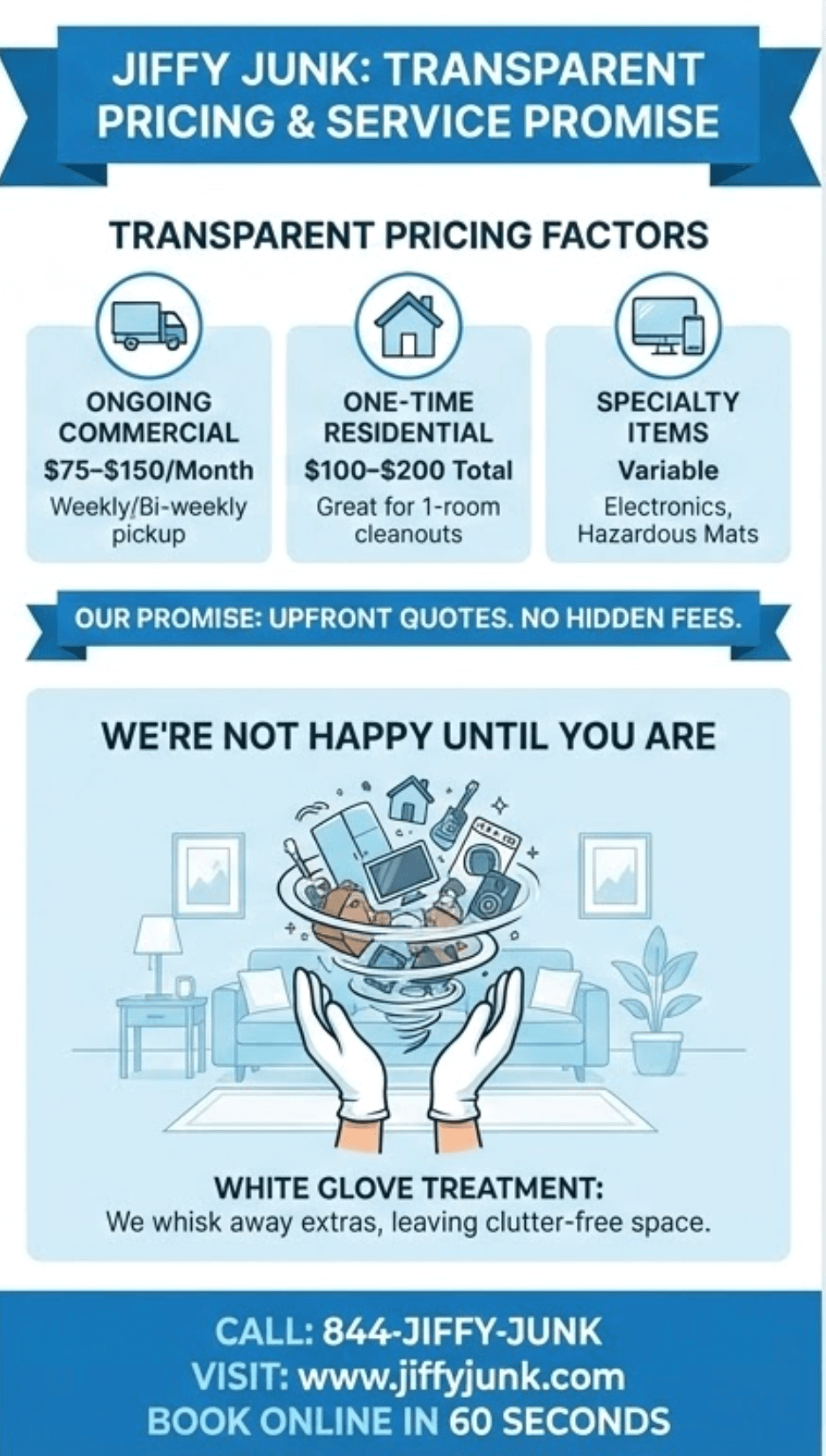
- Ongoing commercial service: $75–$150/month
- One-time residential rental: $100–$200
Our approach: We quote upfront with no hidden fees. Surprises belong in birthday parties, not waste bills.
Table of Contents
- How Big Is a 2-Cubic-Yard Dumpster? A Look at Size Dimensions, Capacity, and Rental Cost to Help You Decide If It’s Right for You
- TL;DR Quick Answers
- Top Takeaways
- Exact Dimensions of a 2 Cubic Yard Dumpster
- What a 2 Cubic Yard Dumpster Actually Holds
- Typical Rental Costs and Pricing Factors
- Is a 2-Cubic-Yard Dumpster Right for Your Project?
- Essential Resources to Help You Choose with Confidence
- 1. Compare All Commercial Dumpster Sizes Side by Side
- 2. Verify Exact Dimensions with Official Government Specifications
- 3. Find Out If Your Location Requires a Placement Permit
- 4. Understand Federal Requirements for Proper Waste Disposal
- 5. Discover Proven Strategies to Reduce Your Disposal Costs
- 6. Learn How Recycling Mandates May Affect Your Service Needs
- 7. Cut Costs by Reducing Waste at the Source
- Supporting Statistics: What We’ve Learned Lines Up with the Data
- Final Thought: Why Getting the Size Right Matters More Than Most People Think
- Next Steps: How to Move Forward with Confidence
- FAQ on “2 Yard Dumpster”
- Ready to Find Out If a 2 Yard Dumpster Is Right for You?
Exact Dimensions of a 2 Cubic Yard Dumpster
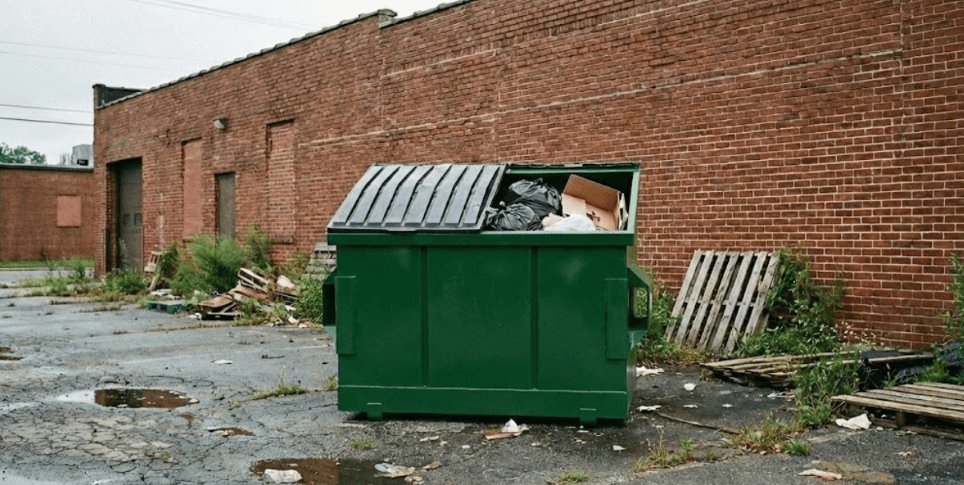
A standard 2 cubic yard dumpster measures approximately 3 feet high, 6 feet long, and 3 feet wide. The compact footprint—roughly 18 square feet—fits comfortably in tight spaces like alleyways, small parking lots, and narrow driveways where larger containers won’t work.
We regularly place these units behind restaurants, alongside apartment buildings, and in urban commercial areas where every square foot matters. The low 3-foot height also makes loading easier since you’re not heaving items overhead.
What a 2 Cubic Yard Dumpster Actually Holds
In practical terms, 2 cubic yards hold about 400–500 pounds of material. Our teams find this translates to roughly 10–12 standard trash bags or two pickup truck beds of loose debris.
This capacity works well for:
- Weekly waste from small restaurants, cafes, or retail shops
- Apartment complex common area maintenance
- Single-room cleanouts or small garage decluttering
- Light renovation debris, like drywall scraps or trim pieces
- Routine office waste for businesses with 5–15 employees
One thing we’ve noticed: customers clearing heavier materials like tile, concrete, or soil hit the weight limit faster than the volume limit. If your project involves dense materials, we typically recommend discussing weight allowances upfront to avoid overage charges.
Typical Rental Costs and Pricing Factors
Rental rates for 2 cubic yard dumpsters generally range from $75–$150 per month for ongoing commercial service, though pricing varies by location, pickup frequency, and contract terms. Short-term residential rentals may fall in the $100–$200 range for a one-time placement and haul.
After years of helping customers budget for dumpster rentals, we’ve identified the factors that most affect your final cost:
- Pickup frequency: Weekly service costs more than bi-weekly or monthly
- Location: Urban areas with higher disposal fees typically run higher
- Material type: Standard waste costs less than specialty items requiring separate processing
- Rental duration: Longer commitments often come with better rates
We provide upfront quotes with no hidden fees—the price we give is the price you pay.
Is a 2-Cubic-Yard Dumpster Right for Your Project?
This size makes sense when your project is modest in scope and space is limited. It’s the go-to choice for small businesses managing routine waste and homeowners tackling contained cleanout projects.
A 2 cubic yard dumpster fits your needs if:
- You’re clearing one room, a small garage, or a storage unit
- Your business generates steady but moderate weekly waste
- You have limited space for container placement
- Your materials are lightweight to medium-density
Consider sizing up if:
- You’re renovating multiple rooms or an entire property
- Your project involves heavy materials like concrete, brick, or appliances
- You anticipate multiple loads over several days
- You’d rather have extra capacity than risk a second rental
In our experience, spending slightly more for the next size up often costs less than scheduling a second pickup. When you’re unsure, our team can help you estimate based on what we’ve seen from similar projects.
Essential Resources to Help You Choose with Confidence
We want you to feel informed before making any decision about dumpster service. These resources cover everything from sizing comparisons to permit requirements—the same references our team uses when helping customers find the right fit.
1. Compare All Commercial Dumpster Sizes Side by Side
Not sure if 2 cubic yards is enough? This guide breaks down container options from 2 to 8 yards with capacity equivalents and business type recommendations. We’ve found it’s one of the clearest comparisons available.
Source: https://www.dumpsters.com/sizes/commercial-dumpster-sizes
2. Verify Exact Dimensions with Official Government Specifications
Planning where your container will go? Seattle Public Utilities publishes precise measurements for standard dumpster sizes. Our teams reference specifications like these when helping customers confirm clearance and placement space.
3. Find Out If Your Location Requires a Placement Permit
Permit requirements vary by city, and we’ve seen customers caught off guard by unexpected fees. This guide explains when authorization is needed, how to apply, and what to expect—so you can avoid delays before your project begins.
Source: https://www.budgetdumpster.com/resources/permits.php
4. Understand Federal Requirements for Proper Waste Disposal
Handling materials beyond everyday items? The EPA’s small business guide covers generator categories, disposal methods, and documentation. We always recommend reviewing compliance requirements—transparency upfront prevents surprises later.
Source:https://www.epa.gov/hwgenerators/managing-your-hazardous-waste-guide-small-businesses
5. Discover Proven Strategies to Reduce Your Disposal Costs
Right-sizing your dumpster is just one piece of smart waste management. The EPA’s commercial building guide walks through waste audits, recycling programs, and cost-saving approaches. In our experience, customers who understand the full picture make better decisions.
Source: https://www.epa.gov/smm/managing-and-reducing-wastes-guide-commercial-buildings
6. Learn How Recycling Mandates May Affect Your Service Needs
Many states now require businesses to arrange recycling services based on weekly waste volume. CalRecycle outlines these thresholds clearly. We’re committed to eco-friendly disposal, and understanding your obligations helps us serve you better.
Source: https://calrecycle.ca.gov/recycle/commercial/
7. Cut Costs by Reducing Waste at the Source
The simplest way to lower disposal expenses? Generate less material in the first place. NC State Extension’s guide offers practical source reduction strategies. Customers tell us these small changes add up to real savings over time.
Source: https://content.ces.ncsu.edu/how-your-business-can-cut-costs-by-reducing-wastes
Supporting Statistics: What We’ve Learned Lines Up with the Data
After years of helping businesses manage waste, we’ve seen patterns that federal research now confirms. These EPA statistics validate what our teams observe daily.
Americans Generate 4.9 Pounds of Waste Per Person Per Day
The big picture: The U.S. produced 292.4 million tons of municipal solid waste in 2018.
What we’ve seen in the field:
- Small restaurant owners often underestimate output from food packaging, cardboard, and prep waste
- Office managers frequently overpay for containers they barely fill
- Most businesses guess wrong on size—in one direction or the other
Our advice: Track your waste for one week before committing to a container size.
Source: U.S. Environmental Protection Agency https://www.epa.gov/facts-and-figures-about-materials-waste-and-recycling/national-overview-facts-and-figures-materials
Recycling Supports 681,000 American Jobs
The numbers:
- 681,000 jobs nationwide
- $37.8 billion in annual wages
- $5.5 billion in tax revenue
- 1.17 jobs created per 1,000 tons recycled
Why this matters to us: We partner with local donation centers and recycling facilities in every market we serve. Every truckload we divert contributes to employment in your community.
Why we sort materials: Environmental responsibility is built into how we operate—not just what we say.
Source: U.S. Environmental Protection Agency, 2020 Recycling Economic Information Report https://www.epa.gov/smm/recycling-economic-information-rei-report
50% of Waste Still Goes to Landfills
The reality: More than 146 million tons ended up in landfills in 2018.
What we’ve watched happen:
- Disposal costs are climbing steadily as landfill space shrinks
- Tipping fees are rising year over year
- Customers who once ignored waste bills are now asking how to reduce them
What works:
- Start with the right container size
- Audit what you’re actually throwing away
- Implement basic recycling practices
The result: Businesses that follow these steps typically cut disposal volume by 20–30%.
Bottom line: A 2-yard dumpster that fits your actual output costs less than a 4-yard hauled half-empty.
Source: U.S. Environmental Protection Agency, 2018 Fact Sheet
https://www.epa.gov/sites/default/files/2021-01/documents/2018_ff_fact_sheet_dec_2020_fnl_508.pdf
Final Thought: Why Getting the Size Right Matters More Than Most People Think
A 2 cubic yard dumpster measures 3 feet tall, 6 feet long, and 3 feet wide. It holds 400–500 pounds. It fits in tight spaces.
The facts are straightforward. But choosing the right size is one of the most overlooked decisions businesses make—and one of the easiest ways to control costs.
What We’ve Learned After Thousands of Jobs
After a decade in this industry, we’ve noticed businesses approach dumpster selection in one of two ways:
- Oversized out of caution. Rent bigger “just in case” and pay monthly for unused capacity.
- Undersized to save money. Squeeze into a smaller container, then deal with overflows and extra pickups.
Both approaches cost more in the long run.
What works: Take five minutes to understand your actual waste output before signing a contract.
Our Honest Take
A 2-yard dumpster is ideal for:
- Small restaurants and cafes
- Retail shops and boutiques
- Offices with 15 or fewer employees
- Single-room cleanouts
- Ongoing light commercial waste
Consider sizing up if:
- You’re clearing multiple rooms
- Your project involves renovation debris
- You’re disposing of heavy materials like tile or concrete
- You’d rather have extra capacity than risk a second rental
We’ll be direct: this size isn’t for everyone. When sizing up makes sense, that’s not an upsell—it’s practical advice.
Why We Care About Getting This Right
Our reputation is built on transparency:
- We quote upfront
- We show up on time
- We do what we say we’ll do
That honesty extends to helping you choose the right service. We’d rather match you with a container that fits—even if it’s smaller than you thought—than lock you into something that doesn’t serve you.
Overpaying benefits no one. Neither does sending recyclable materials to a landfill when they could be donated or diverted.
That’s not just good business. It’s the right way to operate.
Next Steps: How to Move Forward with Confidence
You’ve done the research. Now it’s time to take action.
Step 1: Assess Your Actual Waste Output
Spend one week tracking what you throw away.
Measure:
- Trash bags are filled daily
- Types of materials (packaging, food, paper, debris)
- Heaviest items are disposed of regularly
- Peak days versus slow days
Why it matters: Most businesses guess wrong. Five minutes of observation prevents months of overpaying.
Step 2: Confirm Your Placement Location
A 2-yard dumpster needs approximately 18 square feet.
Verify before scheduling:
- Clearance: 3 ft height × 6 ft length × 3 ft width
- Surface: Level concrete or asphalt
- Access: Room for service trucks
- Permits: Check local requirements for public property
Pro tip: Measure twice. We’ve arrived at locations where the “perfect spot” was six inches too narrow.
Step 3: Know What You’re Disposing Of
Typically accepted:
- General office and retail waste
- Food packaging and prep waste
- Cardboard and paper products
- Light renovation debris
May require special handling:
- Electronics and appliances
- Hazardous materials or chemicals
- Heavy debris (concrete, brick)
- Mattresses and certain furniture
When in doubt, ask. We’d rather answer questions upfront than surprise you later.
Step 4: Compare Pickup Frequency Options
| Frequency | Best For | Cost Impact |
| Weekly | Steady, moderate output | Standard rates |
| Bi-weekly | Lower volume needs | Reduced cost |
| On-call | Project-based or irregular | Flexible |
Our recommendation: Match frequency to your tracked output. Adjust after the first month if needed.
Step 5: Get a Quote and Ask Questions
A good provider will:
- Confirm the right size for your situation
- Explain all costs upfront
- Walk you through placement and scheduling
- Answer questions without pressure
Questions worth asking:
- What’s included in the price?
- Are there weight limits or overage charges?
- Can I change my pickup schedule?
- Do you offer recycling or donation services?
- How quickly can service begin?
Step 6: Schedule Service and Prepare the Site
Before delivery day:
- Clear the placement area
- Confirm truck access
- Notify employees or tenants
- Have permits ready if required
On delivery day: Point us to the spot. We handle the rest.
Ready to Get Started?
You know what size fits, where it goes, and what to ask.
FAQ on “2 Yard Dumpster”
Q: What are the exact dimensions of a 2-yard dumpster?
A: Standard measurements: 3 feet tall × 6 feet long × 3 feet wide. Footprint is approximately 18 square feet—about the size of a large refrigerator on its side.
What we’ve learned the hard way: Customers measure the space but forget about access. The container fits, but the service truck can’t reach it.
Before scheduling, confirm:
- Placement footprint fits the container
- Clear path for service truck access
- No overhead obstructions
A quick site walk-through saves everyone time on delivery day.
Q: How much does a 2-yard dumpster hold?
A: Capacity: 2 cubic yards. Weight limit: 400–500 pounds.
In practical terms:
- 12–14 standard 33-gallon trash bags
- 4 large 96-gallon rolling containers
- About 2 pickup truck beds of loose debris
What we’ve noticed over the years: Weight trips people up more than volume.
- Lightweight materials (cardboard, paper, packaging) → fill space before hitting weight cap
- Heavy materials (tile, fixtures, soil) → hit 400 pounds with container looking half empty
Our advice: Think about what you’re throwing away, not just how much. Material density matters.
Q: How much does it cost to rent a 2-yard dumpster?
A: Pricing varies by location, frequency, and service terms.
Typical cost ranges:
| Service Type | Price Range |
| Monthly commercial (weekly pickup) | $75–$150/month |
| One-time residential rental | $100–$200 total |
What we tell every customer: The sticker price is only part of the equation.
Hidden fees we’ve seen competitors charge:
- Fuel surcharges
- Environmental fees
- Overage penalties buried in fine print
Our approach: We quote upfront and transparently. What we say is what you pay.
When comparing providers: Ask what’s included. The cheapest quote often isn’t the cheapest bill.
Q: What is a 2-yard dumpster best used for?
A: Based on thousands of placements, this size fits small businesses with steady waste output and homeowners tackling contained projects.
Where we see it work best:
- Small restaurants (daily food packaging and prep waste)
- Retail shops (shipping boxes, general refuse)
- Offices with 5–15 employees
- Apartment complex common areas
- Single-room or small garage cleanouts
Where we recommend sizing up:
- Multi-room renovations
- Heavy materials (concrete, brick, appliances)
- Estate cleanouts with furniture
- Any job where extra room beats risking a second haul
Our honest take: If a 2-yard won’t serve you well, we’ll say so. Matching the container to the job matters more than pushing a rental that doesn’t fit.
Q: Do I need a permit for a 2-yard dumpster?
A: Depends entirely on placement location.
Typically, no permit needed:
- Private driveways
- Business parking lots
- Designated commercial waste areas
Permit likely required:
- Public streets
- Sidewalks
- Rights-of-way
What customers often don’t realize: Requirements vary block by block in some cities. We’ve had placements approved on one street and denied two blocks over. HOAs add another layer with rules on visibility, duration, and delivery days.
What we recommend:
- Call your local municipality before scheduling
- Check with your HOA if applicable
- Ask about permit costs ($20–$150 typical) and processing time
Bottom line: Sorting permits upfront beats a surprise fine. A five-minute phone call saves real headaches.
Ready to Find Out If a 2 Yard Dumpster Is Right for You?
Now that you know the dimensions, capacity, and cost, the next step is simple—let us help you match the right container to your specific needs. Contact Jiffy Junk or visit jiffyjunk.com/booking for a free, no-obligation quote with upfront pricing and no hidden fees.